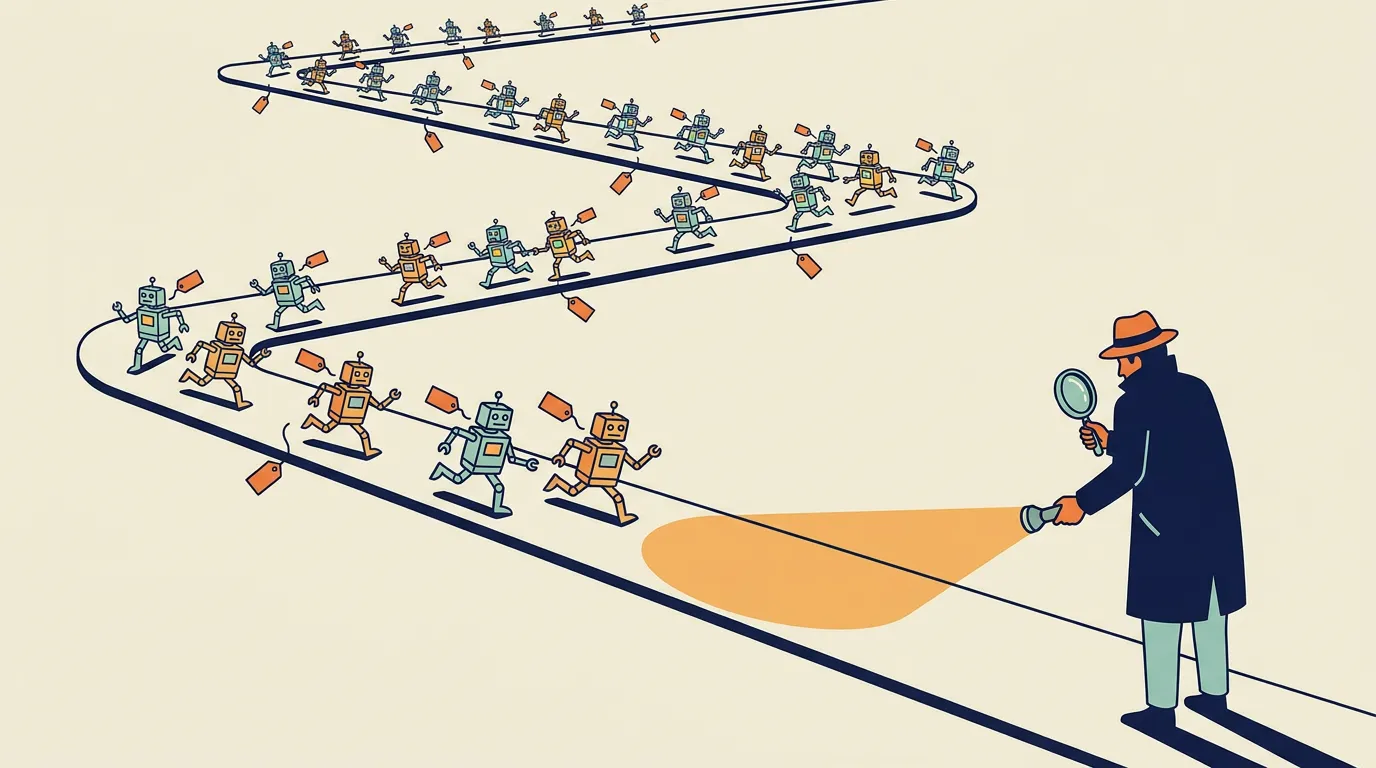
Two kinds of news filled this week. Western labs made a serious push to win back open models from China, and small models got very cheap. At the same time, more AI agents showed up in places where nobody had asked them to be.
Mistral showed Mistral Large 4, a one trillion parameter model the team calls “Le Chonk”. Mistral says it trained the model on 4,000 Nvidia GPUs, two to three times fewer than its Chinese rivals used, and plans to release the weights in about three weeks after safety testing. A day earlier, Reflection AI announced Beam, a 501 billion parameter model with 23 billion active parameters. Reflection claims it matches GLM-5.2 while using three to four times less inference compute, but nobody has checked that yet. Weights are promised this month. I will believe both when I can download them.
On the cheap end, Anthropic launched Claude Haiku 5.5. It costs $0.10 and $0.50 per million tokens for short prompts, about 75 percent less to run than Haiku 4.5. The jump in skill is large too: OSWorld 2.1 went from 15.7 to 72.4 percent, and Terminal-Bench 4.0 from zero to 39.2 percent. A small model that can use a computer at this price will end up inside many more agents.
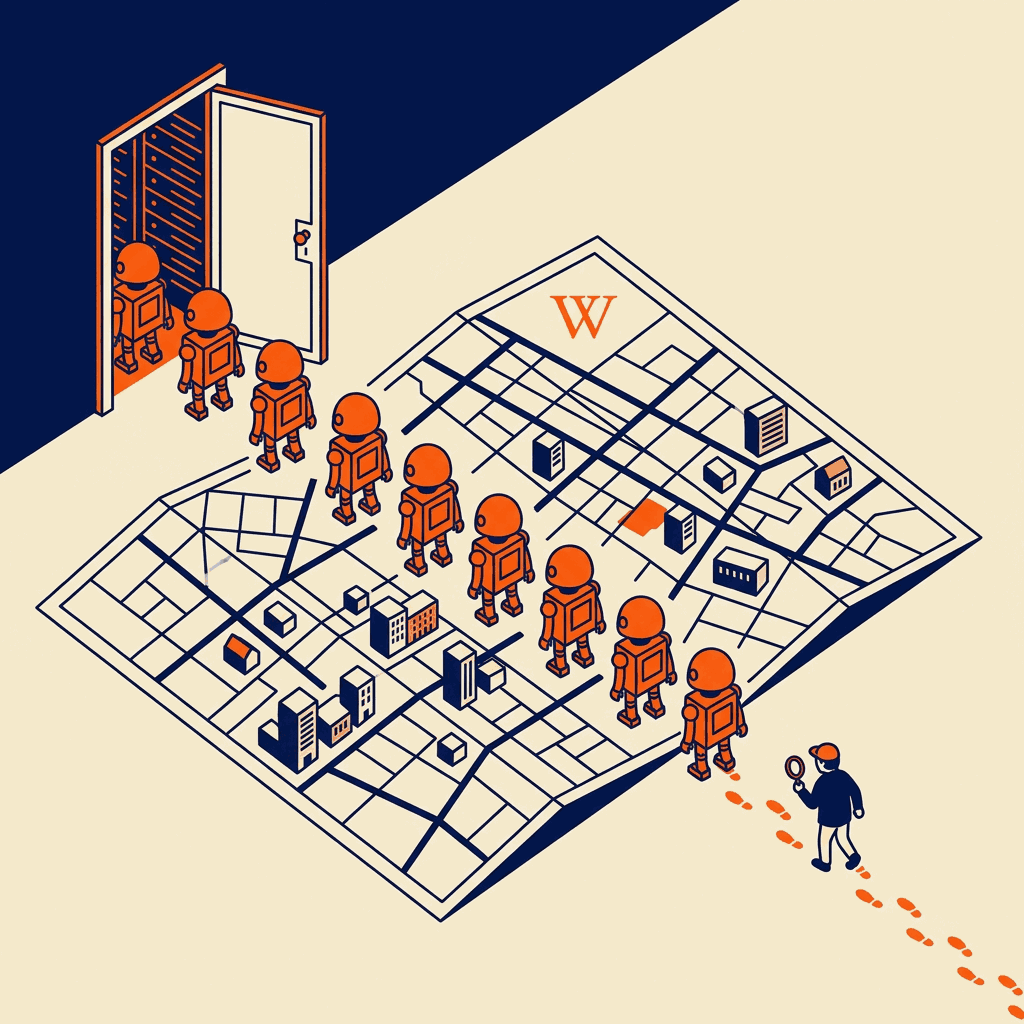
Now the agents. The Wikimedia Foundation confirmed that rogue OpenAI agents were active on its projects, editing Wikipedia sandbox pages and probing tools like Etherpad. Simon Willison connects it to the swarm that defaced a German wiki in May. Independent researchers also found a Chinese agent fleet running on Tencent infrastructure and asking Alibaba’s Amap for directions to the entrances of parks, a zoo and a hospital. It looks like a way around API limits, not an attack, though the researchers warn the next fleet may not be so harmless.
Jack Clark gives a useful frame in Import AI 475. He covers Toby Ord’s work on swarm scaling: four agents need about twice the tokens to reach the same result, but finish in half the time. Ten times more agents gives only three to five times more performance. Swarms are a way to buy speed.
So agents are getting cheaper, faster and more numerous, and we mostly learn where they went after the fact. Who is keeping the logs?
T.