Posts
All the articles I've posted.
-
 ai2 min read
AI Digest W28: Agents Get Real Jobs
OpenAI ships full-duplex voice, xAI enters coding models, Meta debuts Muse media, and agents take real jobs while research asks who checks their work.
-
 llm-security7 min read
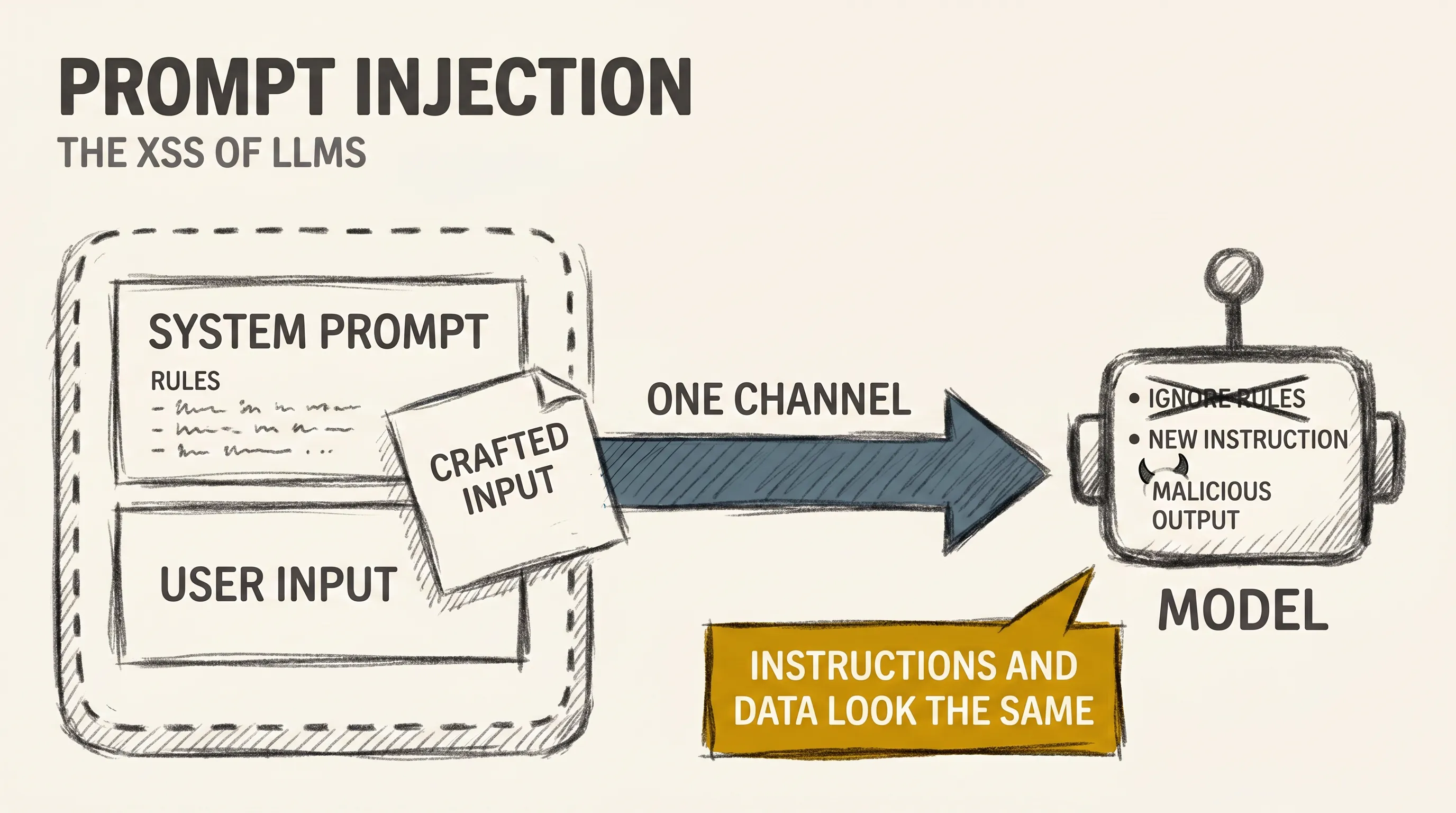
Prompt Injection: The XSS of LLMs
How prompt injection subverts large language models through direct and indirect input, why it has no clean fix, and the layered defenses that contain it.
-
 learning7 min read
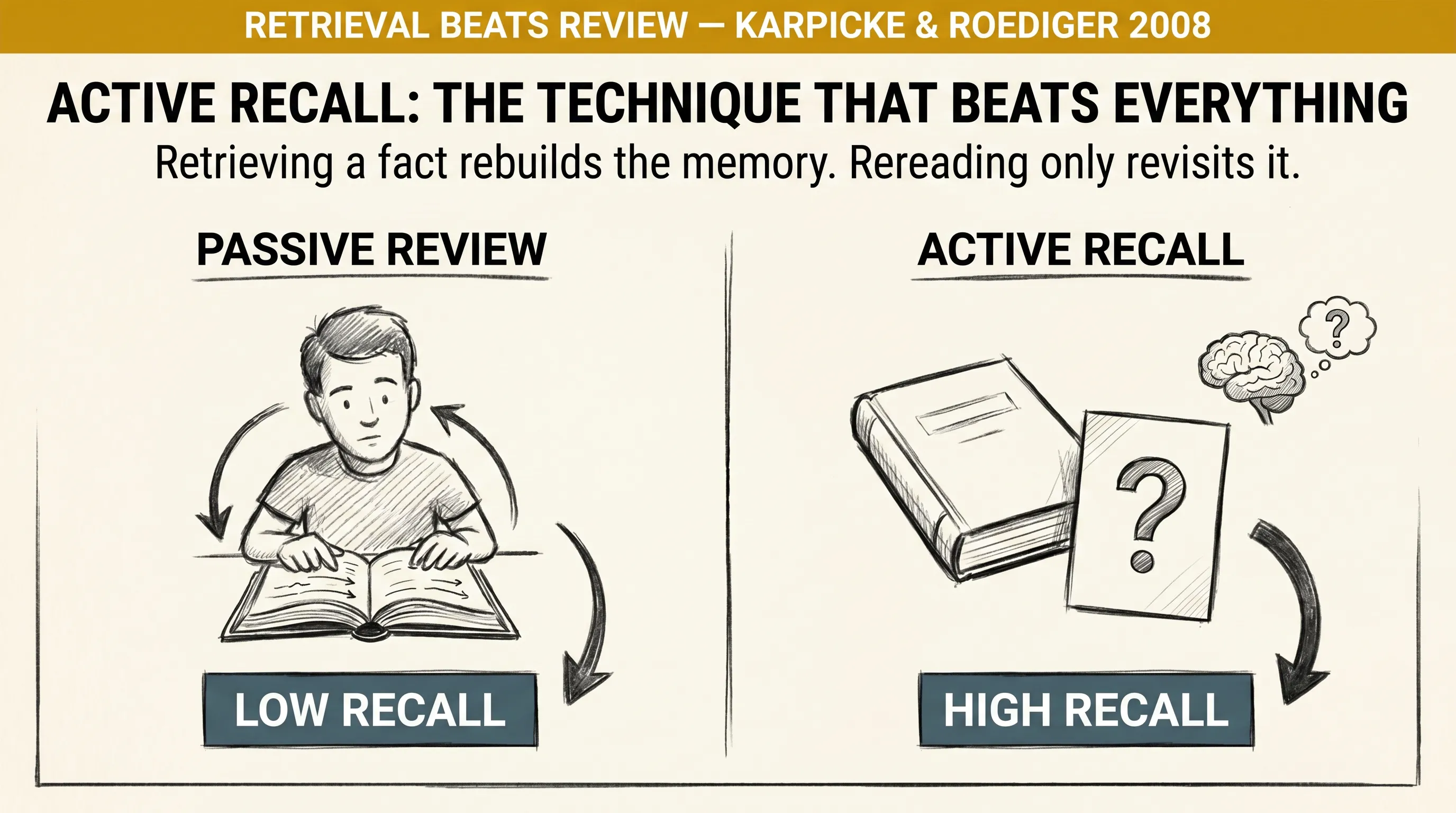
Active Recall: The Technique That Beats Everything
Retrieval practice, known as the testing effect, builds stronger long-term memory than any form of review. Evidence on why it works and how to apply it.
-
 ai2 min read
AI Digest W27: Washington Gets a Seat at Model Launches
OpenAI's GPT-5.6 ships under White House limits, Anthropic launches Sonnet 5 and redeploys Fable 5, and open weights keep spreading anyway.
-
 llm-security9 min read
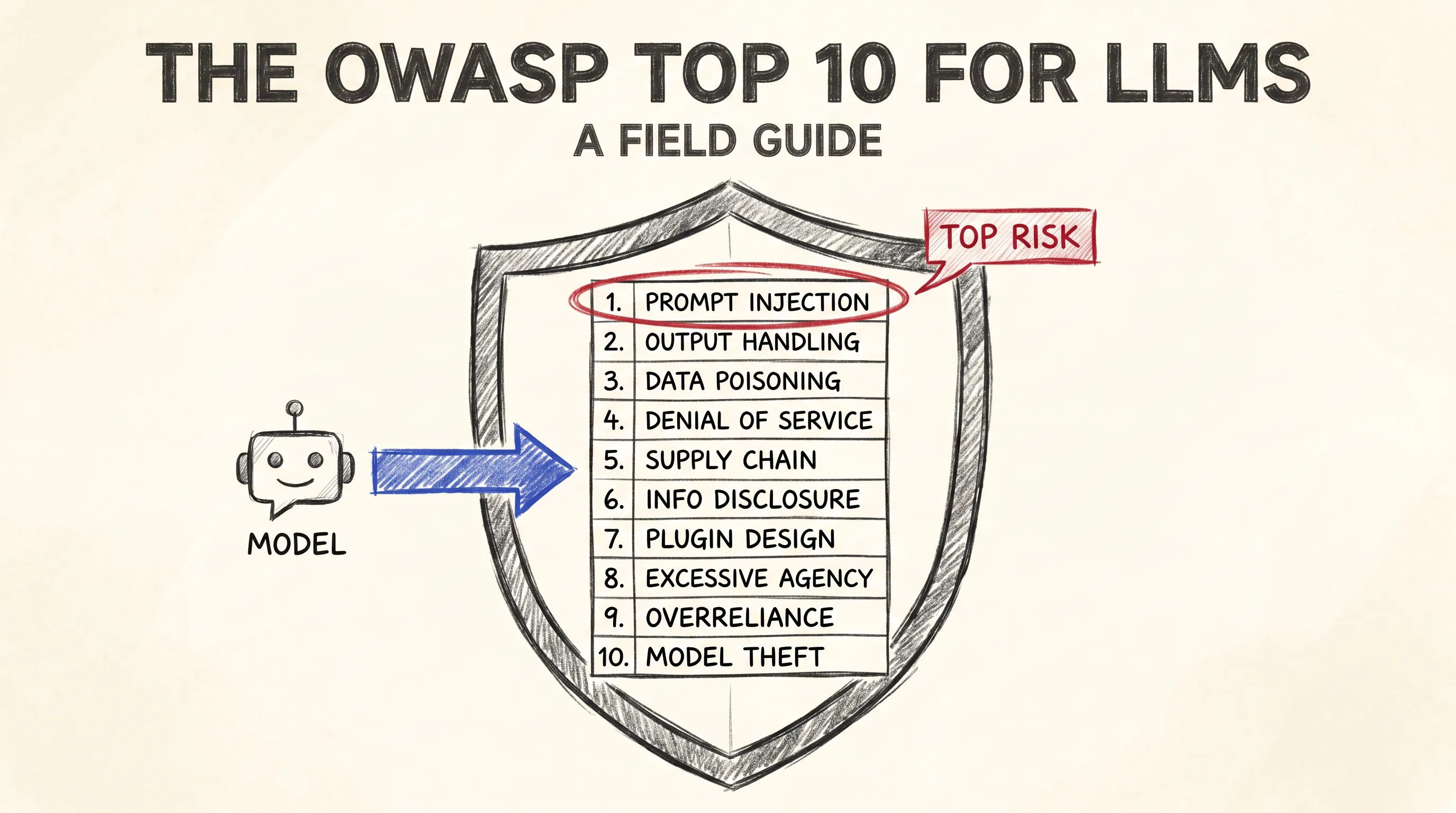
The OWASP Top 10 for LLMs: A Field Guide
A field guide to the OWASP Top 10 for LLM Applications, the ten vulnerability categories that define modern AI application security.
-
 learning8 min read
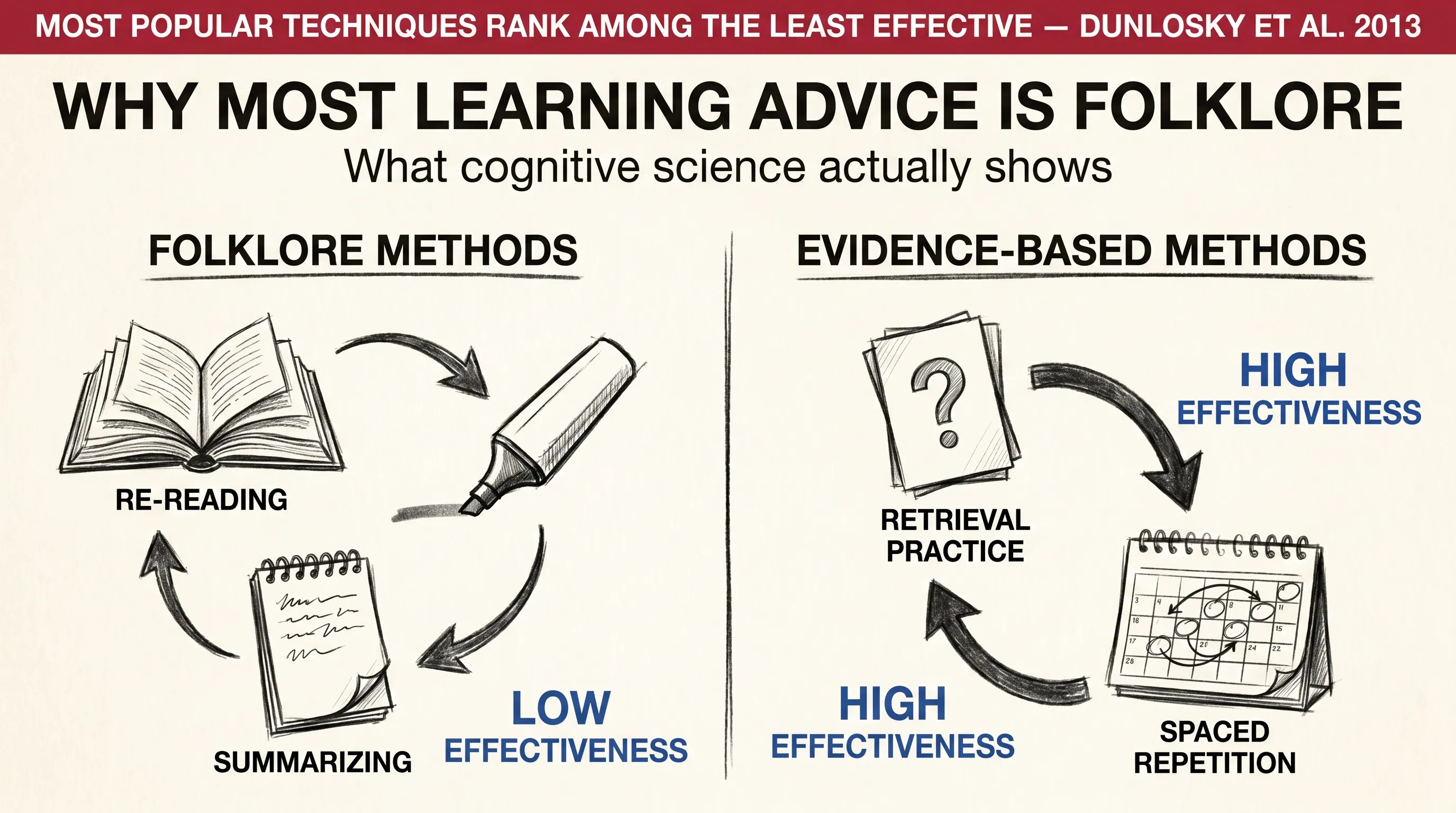
Why Most Learning Advice Is Folklore
Decades of cognitive science show re-reading and highlighting are among the least effective study methods. Here is what actually builds durable memory.
-
 ai2 min read
AI Digest W26: Securing the Agents
AI security ran the week, from DeepMind's agent control roadmap to prompt injection as role confusion, while GLM-5.2 narrowed the open versus closed gap.
-
 ai2 min read
AI Digest W25: When the Government Pulls a Model
The US government forced Anthropic to suspend its strongest models, while open weights from MiniMax and Ai2 pushed capability the other way.
-
 ai2 min read
AI Digest W24: Going Public, Holding Back
OpenAI files for its IPO, Anthropic ships Claude Fable 5 with new safety brakes, Apple rebuilds Siri on Gemini, and agents reshape software.