Last week Anthropic started a new kind of race when it showed Mythos breaking into things. This week OpenAI answered, DeepMind kept working on the physical world, and the smartest people in the field started asking what all of this actually means.

The headline item is OpenAI’s GPT-5.4-Cyber, released on April 14 to a small group inside the company’s Trusted Access for Cyber program. Like Mythos, it is tuned to find software vulnerabilities, and OpenAI is treating it as a High-risk cyber capability under its Preparedness Framework. One week, two frontier labs shipping attack-grade models to vetted users only. This is clearly a new category of release.
Simon Willison sat with that idea and wrote a very interesting frame. In Cybersecurity Looks Like Proof of Work Now, he argues that when AI can find bugs at scale, security becomes an economic problem: defenders have to outspend attackers in compute. His side point is interesting for me personally. Open source gets more valuable under this model, because you pay the security bill once for everyone instead of every project fixing the same thing alone.
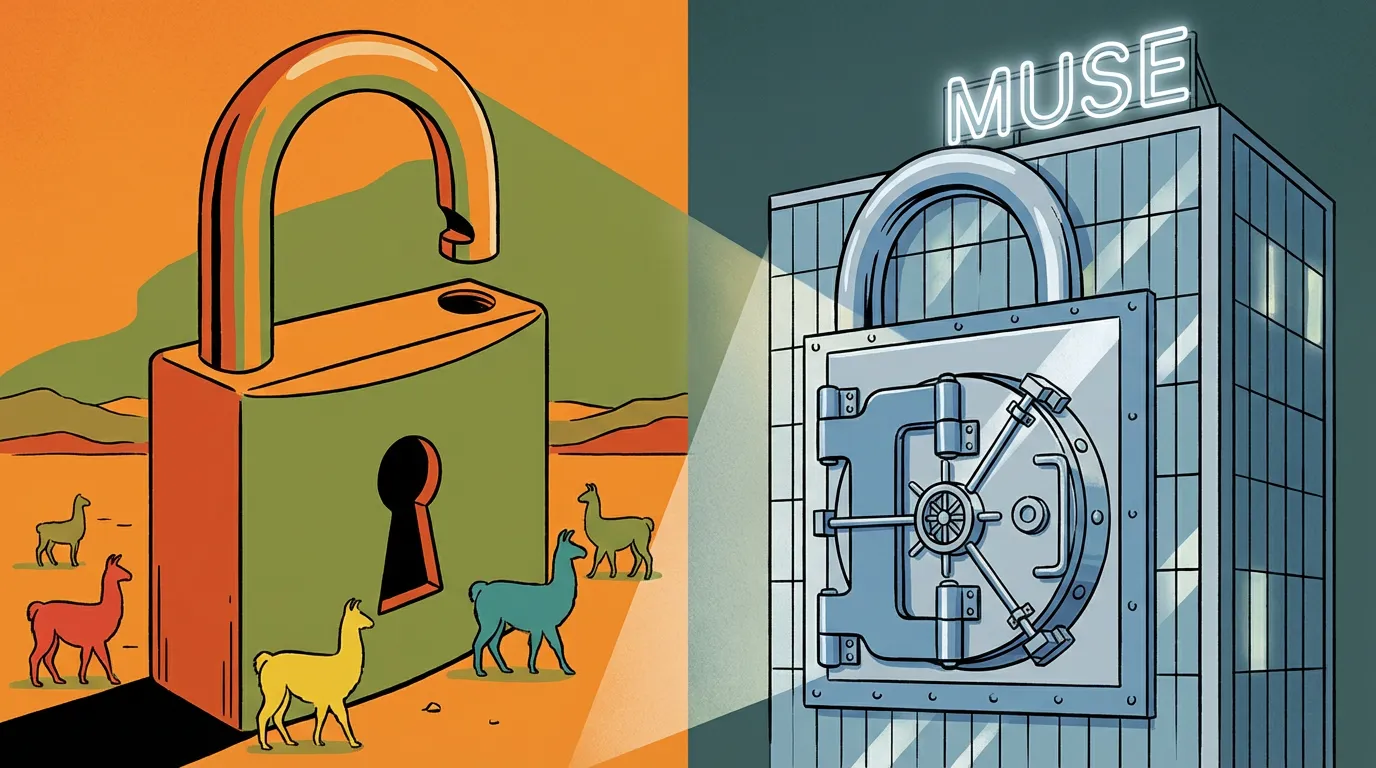
Nathan Lambert was thinking about open source too, from a different angle. His call for an open model consortium argues that economic pressure will eventually force companies to pool money on a shared frontier open model, because on their own they keep choosing to go closed. That matches what we watched Meta do with Muse Spark last week.
Outside of security, Google DeepMind kept shipping. Gemini Robotics-ER 1.6 is a step up in spatial reasoning, with better pointing, counting, and a new ability to read instrument displays, now available through the Gemini API. Robotics is the quietest big story in AI right now. The models keep getting better and almost nobody talks about it.
OpenAI also moved on the consumer side, acquiring personal finance startup Hiro and expanding Gemini Personal Intelligence to India are both small signals that the big labs are tired of waiting for wrappers and want to own verticals themselves. Meanwhile ASML raised its 2026 forecast, because the AI buildout still has not slowed.
What I am watching next is how the cyber models escape their private previews. Once one of them leaks or clones, the proof-of-work era Willison described becomes everyone’s problem.
T.